Travel can be expensive, but you do not need a large budget to experience new places. With careful planning, you can cut costs while still enjoying your trip.
1. Plan Your Budget Before Booking
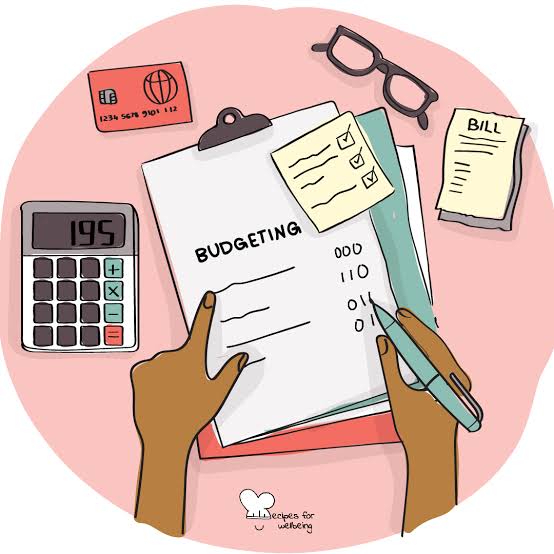
Start by deciding how much money you can comfortably spend. Include transportation, lodging, food, activities, local transportation, and emergency expenses. Keeping a written budget helps you see where your money goes.
2. Compare Travel Dates
Prices can vary by season, day of the week, and demand. If your schedule is flexible, compare different dates before booking. Traveling during less busy periods may provide more affordable options.
3. Look for Affordable Accommodations
Compare hotels, hostels, vacation rentals, and other lodging options. Consider the location, transportation costs, cancellation policies, and reviews rather than choosing based on price alone.
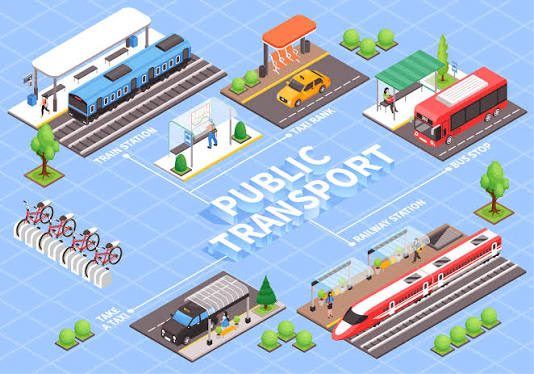
4. Use Public Transportation
In destinations with reliable public transportation, buses, trains, and subways can be less expensive than taxis or rental cars. Research ticket options and routes before arriving.
5. Save Money on Food
Research affordable local restaurants, markets, and cafés. If your accommodation has a kitchen, preparing some meals may reduce expenses. Include snacks and drinks in your daily budget.
6. Find Free Activities
Many destinations offer free parks, public beaches, walking routes, festivals, and museums on selected days. Check official attraction websites for free admission opportunities and special events.

7. Avoid Unnecessary Fees
Review baggage allowances, booking conditions, and cancellation policies before paying. Check whether activities require additional equipment, transportation, or admission fees.
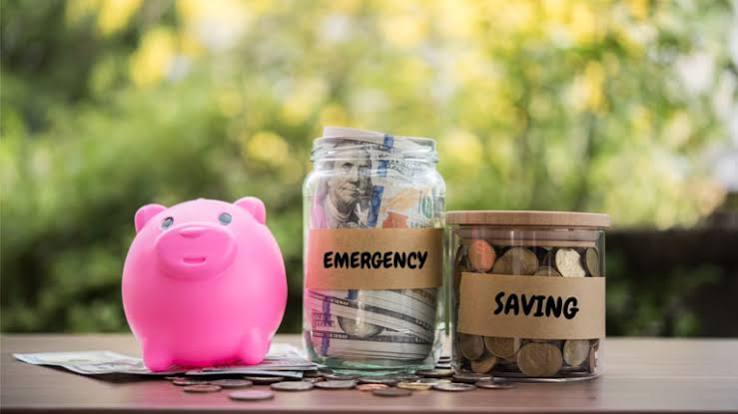
8. Keep Emergency Money Available
Unexpected costs can happen during any trip. Keep some money available for emergencies and avoid spending your entire budget before the trip ends.
Example of a Simple Travel Budget
Imagine you are planning a weekend trip. You could divide your estimated spending into categories such as transportation, accommodations, food, activities, and emergency expenses. The actual amounts will depend on your destination and travel dates.
Review your spending each day so you can adjust as needed.
Final Thoughts
Budget travel is about making thoughtful decisions, not missing out on every experience. Research your options, prioritize the activities that matter most to you, and leave room for unexpected expenses.
With a little preparation, you can explore new places while staying within your financial limits.